
Epilepsy Awareness Guide

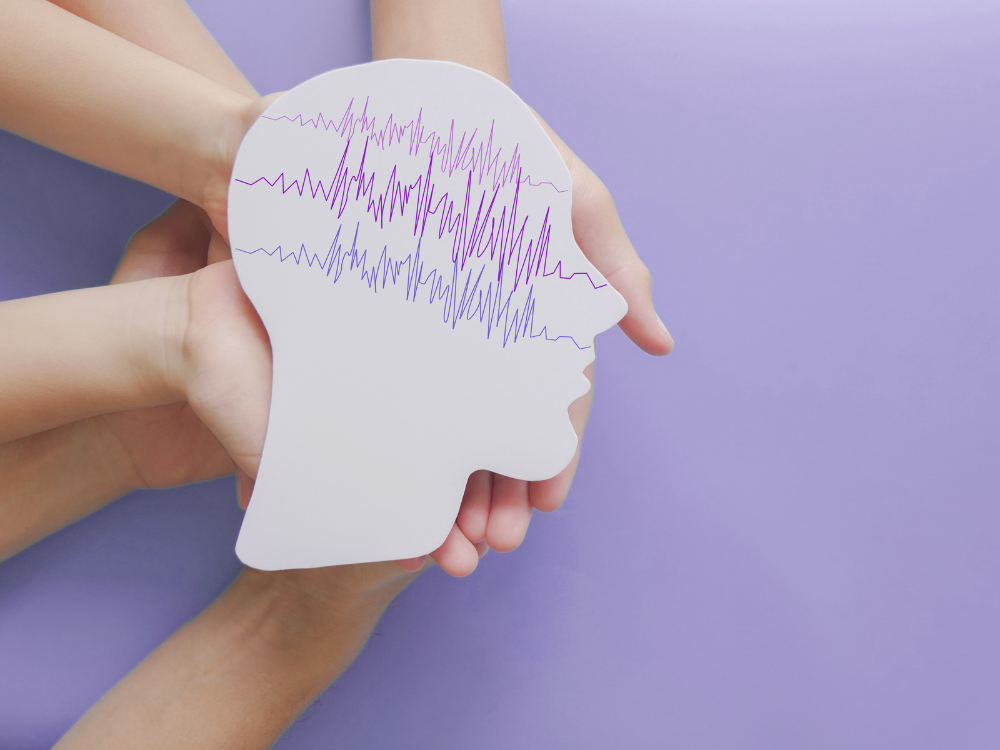
We are honored to work with the Comprehensive Epilepsy Program of the Wake Forest University School of Medicine to spread awareness of epilepsy! In case you missed our information cards, here is a handy guide with everything you need to know.
What Is Epilepsy?
Epilepsy is not a disease, but a symptom of a brain disorder. It can be caused by any number of conditions that injure or affect the function of the brain. (Head injuries are a major cause of epilepsy in adults.)
What Does Epilepsy Look Like?
Epilepsy takes many forms, from convulsions to short lapses of attention—but between seizures, people with epilepsy are typically perfectly normal and healthy. For many people with epilepsy, society’s reaction to the disorder creates a greater handicap than their seizures.

What to Do If You See Someone Having a Seizure
- Keep calm and help him/her lie down. Remove glasses and loosen tight clothes.
- Clear the area of hard, sharp, or hot objects that could cause injury, and place something soft under the head.
- Do not restrain the person You cannot stop a seizure once it has begun.
- Do not force anything between the teeth. Attempts to prevent tongue-biting can do more harm than good.
- After the seizure, turn the person on his side to allow saliva to drain out of the mouth. Often the person will be sleepy and need to rest.
- Do not offer anything to drink/eat until the person is fully awake.
When to Call a Doctor
Call a doctor only if:
- The person has one seizure after another without waking up
- The person does not start breathing after the seizure. Note: It is normal for people to have difficulty breathing during a seizure
- The person has been injured
- This is the person’s first seizure
Further Questions?
If you’d like additional information, contact the Epilepsy Information Service at 1-800-642-0500. And we are always happy to answer any questions for you as well! Come in to see us if you’re curious to learn more.